Article → Comic

Turn an article into a comic — starring your character

Paste any blog post, newsletter, or case study. StoryComic AI turns it into a multi-panel comic where your own original character stays consistent in every frame. No drawing, no prompting.

Live preview

Try it now — no sign-up needed

Paste an article below and get a real multi-panel preview generated by AI. Free previews every day.

80 more characters needed to generate

Style

3 free previews left today

How to turn an article into a comic

From article to comic in three steps — with a character that stays the same in every panel.

  1. 1

    1. Paste your article

    Drop in a blog post, newsletter, report, or any long-form text. No rewriting needed — the AI reads the story for you.

  2. 2

    2. Pick or create your character

    Use an existing original character or generate one. Your character's face, outfit, and voice stay locked across the whole comic.

  3. 3

    3. Generate and publish

    The AI splits your article into comic panels, writes the dialogue, and renders the art. Export a comic strip ready to share.

What is an article-to-comic generator?

An article-to-comic generator is an AI tool that reads long-form text — a blog post, a newsletter, a case study, even a product changelog — and turns it into a multi-panel comic. Instead of rewriting your article as plain paragraphs, it breaks the story into visual beats: panels, dialogue, captions, and pacing. The result is content people actually stop to read.

What separates StoryComic AI from a general image tool is character consistency. You create (or upload) an original character once. That same character appears in every panel of the comic — same face, same outfit, same colors. A general AI tool gives you a different face in every frame; StoryComic keeps one recognizable character throughout.


How it works, step by step

The generator starts by reading your article and extracting the underlying story — the beats, the turning points, the argument. It then writes a script: which moments become panels, what the character says in each, and how the pacing flows. This script step is free and previewable, so you can refine the story before spending any credits.

Once the script is right, the art engine renders the panels using reference-image guidance from your character sheet. Because every panel is drawn against the same reference, the character stays recognizable across the whole comic — the consistency problem that Midjourney and DALL-E style tools can't solve.

Finally, you export in the format you need: a comic strip for social, a carousel for Instagram, a vertical scroll for TikTok. Or turn the same article into an infographic or slide deck with the same character.

Who turns articles into comics?

  • Content creators who want their newsletter or blog post to actually get read — a comic is a scroll-stopper that email and social algorithms reward.
  • Marketers turning case studies and product updates into shareable stories with a recognizable brand character.
  • Educators and coaches breaking complex topics into visual panels that audiences remember long after reading.

Why a consistent character changes everything

Audiences follow characters, not content. A recognizable face is a brand asset: it turns a one-off comic into a series people come back for. With StoryComic, your character's face, outfit, voice, and palette stay locked from the first panel to the last — and across every format you publish.

That consistency also saves you time. Describe your character once, and every future article, chapter, or campaign reuses the same reference. No redrawing, no re-prompting, no drift between episodes.

Real characters made with StoryComic AI

One character, consistent in every panel — real public characters created by StoryComic AI users.

三角

三角

xiaohu

五角星

五角星

xiaohu

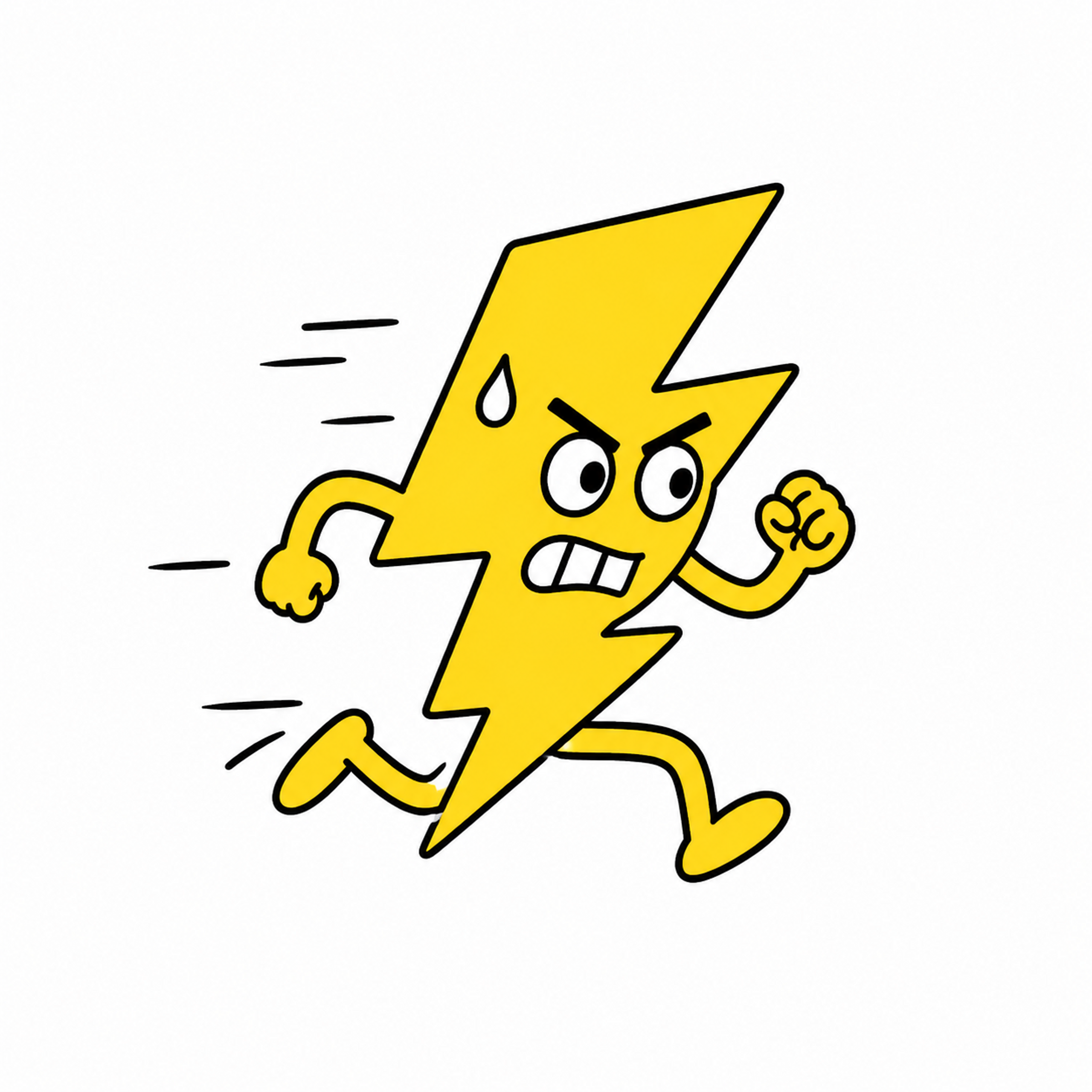
闪电

闪电

xiaohu

Tips for turning an article into a great comic

  • Pick a character that fits the tone — a friendly mascot for explainers, a more serious OC for reports.
  • Keep the article focused. The best comics come from one clear narrative thread, not a dense data dump.
  • Use the free script preview to tighten dialogue before you generate images — it costs nothing.
  • Reuse the same character across episodes so your audience starts recognizing your work.

Why make a comic from an article

Character consistency in every panel

The same OC appears panel after panel — same face, outfit, and colors. No redrawing, no drift.

No drawing or prompting skills

Describe your character once. The AI writes the script, lays out panels, and draws the comic for you.

Auto-generated dialogue and panels

The article becomes a story with beats, captions, and speech bubbles — paced for reading, not skimming.

From one article to many formats

The same article can become a carousel, infographic, or slide deck — all with your character intact.

Keep exploring — turn the same article into more formats:

Article-to-comic generator FAQ

How do I turn an article into a comic?
Paste your article into StoryComic AI, choose or generate a character, and the AI turns the text into a multi-panel comic with dialogue and character-consistent art. You can have a comic from an article in minutes — no drawing skills needed.
Can AI make a comic from text or a blog post?
Yes. StoryComic AI reads the full article, extracts the story, and generates panels, captions, and speech bubbles. Your character stays visually consistent in every frame.
Do I need to prompt for each panel?
No. You describe or upload your character once. The generator writes the script and renders every panel automatically, keeping the same character throughout the comic.
What can I do with the comic once it's made?
Export your comic to share on social, embed in a newsletter, or turn the same article into a carousel, infographic, or slide deck — all with the same character.
How much does it cost to turn an article into a comic?
Scripts are always free. Image generation uses credits — the free plan includes starting credits, and paid plans start at $12.99/month. You can also try the live preview on this page for free every day, no sign-up needed.
Can I use my own character or do I have to create one?
Both. Upload a reference image of your own character, or generate one from a description. StoryComic builds a character sheet with multiple angles and expressions, then keeps that character consistent across every panel.
What formats can I export the comic in?
Export as a comic strip, carousel, or vertical scroll — sized for Instagram, TikTok, or YouTube. You can also turn the same article into an infographic or slide deck with the same character.

Turn your next article into a comic

Free to start. No drawing, no prompting — just paste, generate, and share.

Try the article-to-comic generator